
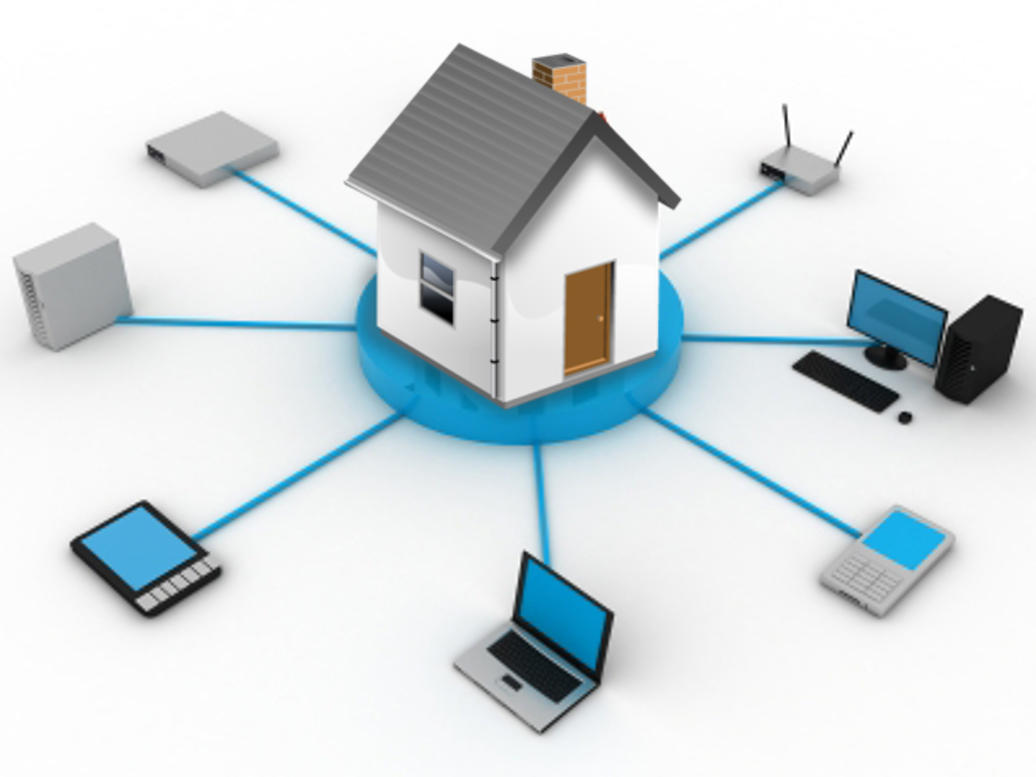
Home networking allows multiple devices in a household to connect to the internet and communicate with each other. With smartphones, laptops, smart TVs, and smart home devices all relying on internet access, a reliable home network is more important than ever.
A typical home network starts with a modem that connects to your internet service provider. The modem then connects to a router, which distributes the internet connection wirelessly or through Ethernet cables to different devices in your home.
Wi-Fi routers create a wireless network that allows devices to connect without cables. Modern routers often support dual-band or tri-band networks, providing faster speeds and better coverage.
For larger homes, Wi-Fi extenders or mesh network systems can help eliminate dead zones where signals are weak. These devices expand coverage and ensure a stable connection throughout the house.
Understanding the basics of networking can help users improve internet speed, reduce connectivity issues, and make better decisions when upgrading equipment.